The Lifelines of a Modern Household: Mastering Domestic Fluid Mechanics and Drainage in Dubai
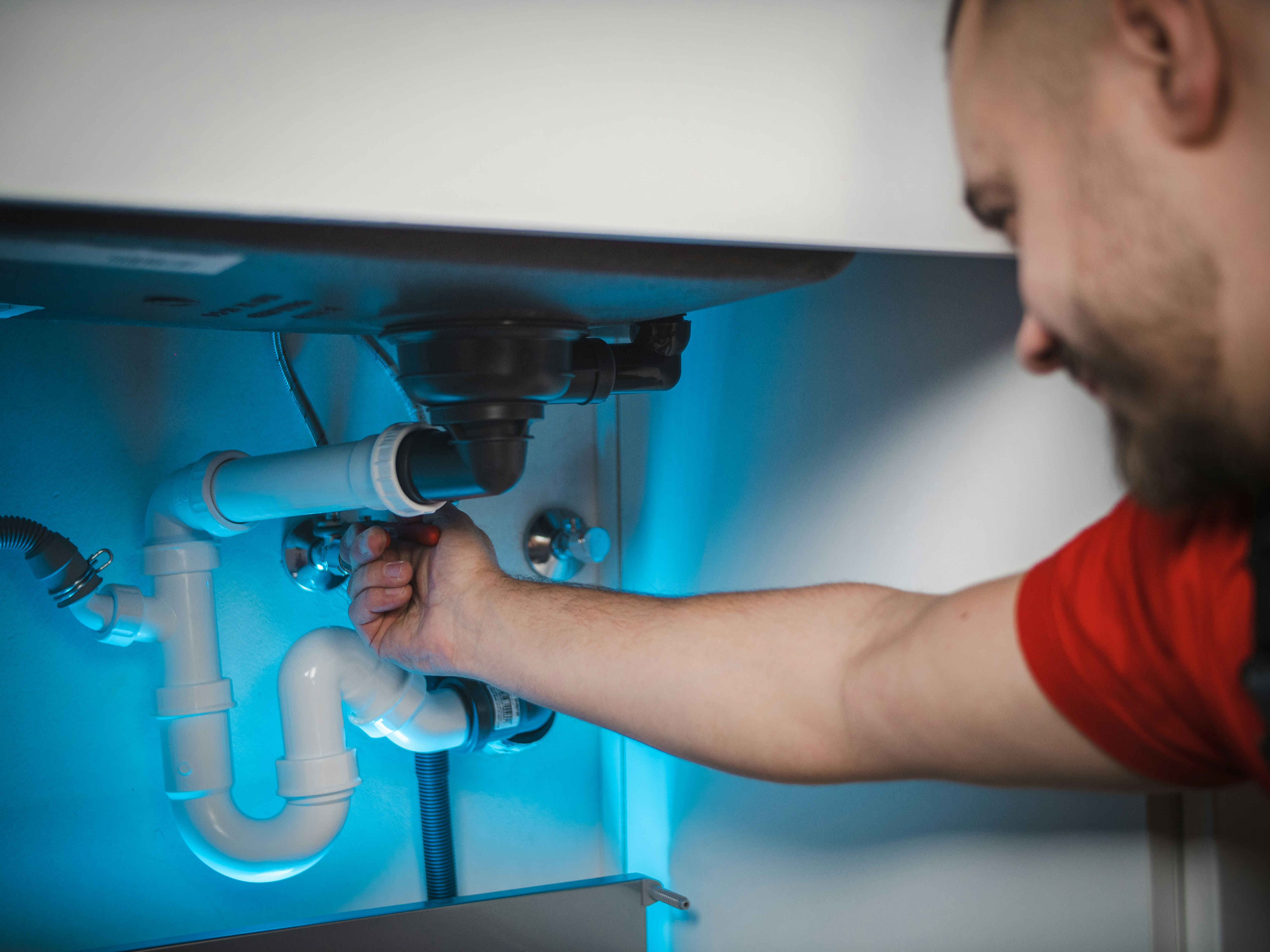
A modern luxury residence is an engineering triumph that balances high-end architectural design with a complex network of hidden infrastructure. Among these hidden systems, none is more critical to daily comfort, sanitation, and structural safety than the domestic plumbing grid. Every day, thousands of liters of pressurized water move silently through the walls and floors of a premium home, supplying kitchens, bathrooms, swimming pools, and landscaped gardens. In an environment known for its dramatic seasonal shifts and coastal humidity, this fluid network faces continuous physical demands. For residents across the region, maintaining absolute control over this complex network is essential to preserving a healthy, functional household.
When a fluid system experiences an unexpected disruption, the impact on a busy household can be immediate and deeply unsettling. Securing the expertise of a certified Plumber Dubai is the most dependable way to resolve hidden blockages, restore optimal water pressure, and prevent localized structural degradation. Rather than waiting for a major pipe fracture to flood a beautifully finished living room, proactive property owners rely on experienced fluid technicians who utilize advanced diagnostic equipment to inspect hidden pipe joints, clear deep structural clogs, and verify the structural integrity of concealed storage tanks. This specialized intervention guarantees that your water supply remains pristine, your drainage loops function flawlessly, and your home remains entirely protected against the subtle, destructive forces of moisture escape.
The Physics of Pressure and Fluid Distribution
To understand the complexity of modern residential plumbing, one must analyze the physical principles governing fluid distribution in a high-density urban environment. Water delivery in large villas and premium apartment complexes relies on a delicate balance of hydrostatic pressure, mechanical pumping stations, and precise backflow prevention mechanisms. Because water must be delivered to multiple fixtures simultaneously without experiencing drops in velocity, the diameter of internal piping and the calibration of pressure-regulating valves must be maintained according to strict engineering standards.
When pressure dynamics deviate from these ideal calibrations, the entire household network suffers. Excessively high water pressure places an artificial, continuous strain on flexible hose connections, appliance intake valves, and internal pipe couplings, significantly increasing the likelihood of sudden structural failure. Conversely, insufficient pressure can cause water heating systems to malfunction, rendering showers ineffective and disrupting automated irrigation schedules. Professional plumbing management involves utilizing precise pressure gauges to continuously monitor these internal forces, ensuring that your fluid highways operate within safe, efficient parameters that protect your expensive household appliances from premature mechanical fatigue.
Microscopic Threats and the Science of Drain Preservation
The drainage system of a modern home is an intricate gravity-fed network designed to safely remove graywater and organic waste from the living environment. Because this system is entirely hidden from view beneath premium flooring and stone countertops, it is often completely ignored until a backup occurs. Over months of regular use, drainage lines accumulate a hidden layer of organic sediment, soap scum, and microscopic debris that adheres tightly to the internal walls of the PVC or cast-iron pipes.
In a warm climate, this internal accumulation undergoes rapid chemical breakdown, leading to the development of unpleasant sewer gasses that can drift upward through floor traps and contaminate the indoor atmosphere. Furthermore, if left untreated, this sediment gradually hardens into a dense, calcified restriction that severely reduces the flow capacity of the drain line. Standard chemical drain cleaners available in retail stores often rely on harsh, corrosive compounds that can generate extreme heat inside the pipes, warping plastic lines and damaging delicate rubber seals. Professional clearing methods utilize non-destructive hydrodynamic flushing or mechanized pipe scouring to completely restore the internal diameter of the line without risking structural damage to the property.
Hidden Moisture Infiltration and Structural Degradation
One of the most insidious threats to premium real estate is hidden water infiltration. Unlike a sudden, catastrophic pipe burst that is immediately visible, a pinhole leak in a concealed water line can go unnoticed for months. A microscopic fracture can slowly release a steady drip of water into wall cavities, concrete slabs, or ceiling plenums. Because concrete and drywall are highly porous materials, they absorb this moisture like a sponge, drawing it deep into the core structural elements of the building.
The long-term consequences of unresolved moisture infiltration are severe. As water spreads through a concrete slab, it can reach the internal steel reinforcing bars, triggering localized oxidation and rust. As the steel rusts, it expands, causing the surrounding concrete to crack and weaken over time—a phenomenon known as concrete spalling. On the interior surface, this hidden moisture destroys premium paint finishes, ruins custom wood paneling, and creates a damp environment that encourages the growth of hidden biological colonies. Detecting these hidden leaks requires advanced acoustic listening devices and thermal imaging technology that can pinpoint localized temperature drops caused by moisture escape, allowing for targeted repairs that minimize structural disruption.
Thermal Management and Water Heating Diagnostics
Water heating infrastructure represents another crucial sub-system within the residential plumbing framework. Modern homes utilize high-capacity electric water heaters, solar thermal collectors, or centralized circulation loops to provide hot water on demand. Because municipal water supplies contain natural dissolved minerals, the continuous heating of water triggers a process of thermal precipitation, causing calcium and magnesium scale to slowly settle at the bottom of the heating tank.
This mineral scale acts as a thick, insulating blanket over the heating elements, forcing the system to consume significantly more electricity to achieve target temperatures. Over time, this localized overheating causes the heating elements to burn out prematurely, while the accumulation of sediment reduces the overall water volume inside the tank. Regular maintenance involves flushing the heating tanks to remove mineral accumulation, inspecting sacrificial anode rods that prevent internal tank corrosion, and testing temperature-pressure relief valves to ensure they operate correctly during unexpected thermal spikes. This disciplined care ensures that your hot water supply remains safe, consistent, and exceptionally energy-efficient.
Securing Long-Term Reliability Through Fluid Security
Ultimately, a flawlessly maintained plumbing system is the cornerstone of household sanitation and operational peace of mind. Your home should be a place where clean water flows effortlessly and waste is removed silently, allowing your family to enjoy a seamless, high-quality living experience. By moving away from temporary, reactive fixes and embracing a strategy of proactive fluid stewardship, you protect your real estate asset from the devastating financial costs of water damage.
Partnering with certified plumbing experts ensures that your home’s hidden infrastructure receives the same level of care and precision as your visible interior design. This ongoing commitment to mechanical and fluid health guarantees that your modern residence remains a secure, dry, and perfectly functional sanctuary for decades to come.